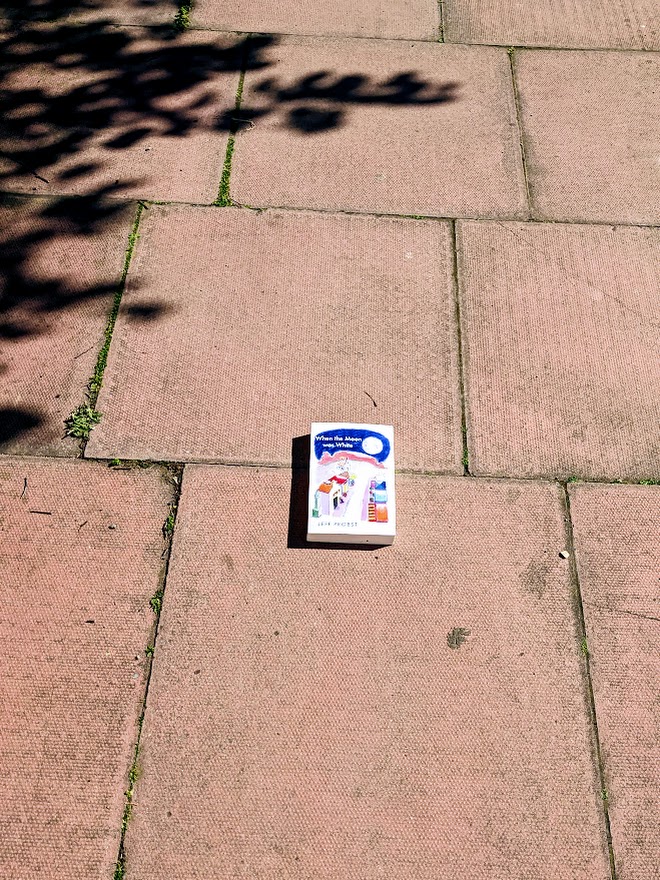
But on her first Goodmews evening, gazing up at the moon as she stood alone on the salmon-pink pavement, bathed in the front gardens’ white-flowered fragrance…
Photos, mostly taken in my north London neighbourhood and home, and the novel’s passages they inspired
But on her first Goodmews evening, gazing up at the moon as she stood alone on the salmon-pink pavement, bathed in the front gardens’ white-flowered fragrance…
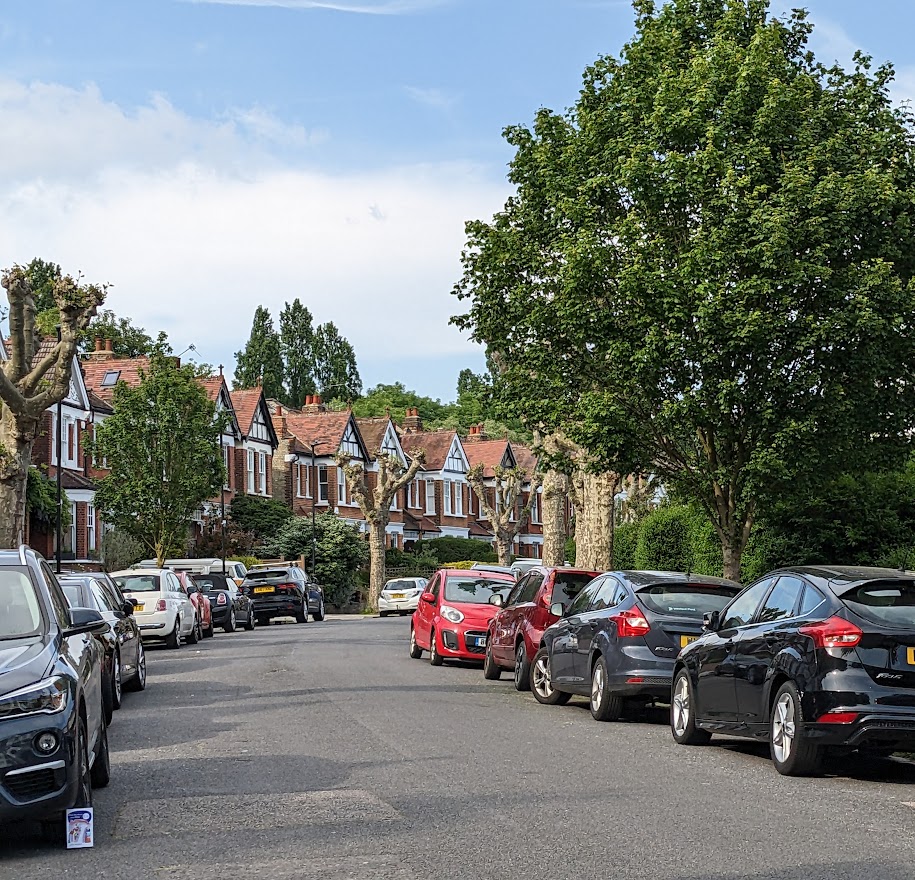
After a few disoriented walks past rows of houses along bendy streets, she got used to seeing windows and chimney stacks directly ahead.
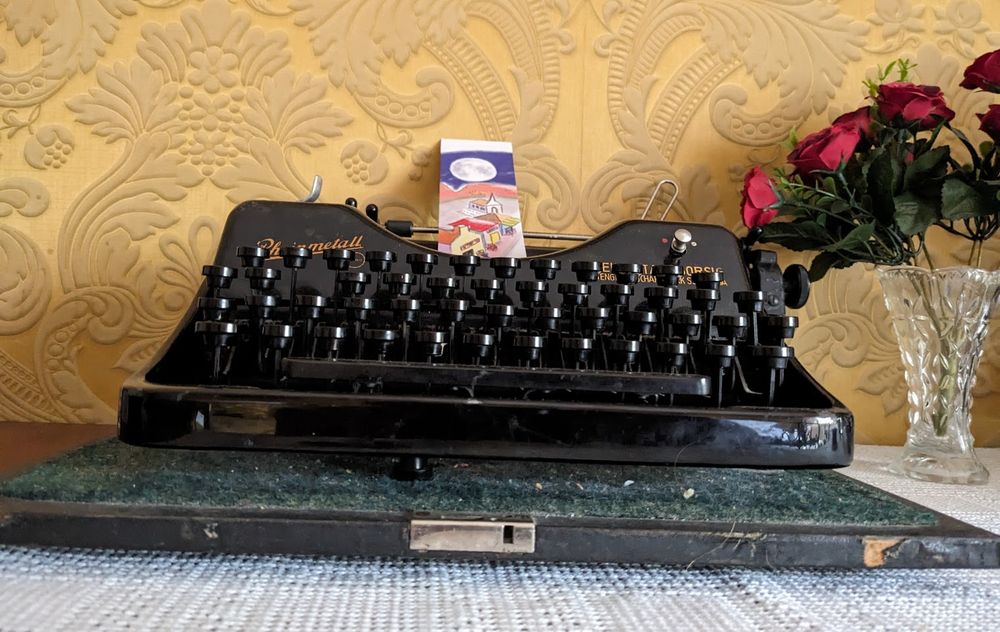
‘Do you have a typewriter?’ Sam nodded. His foot was in the door.
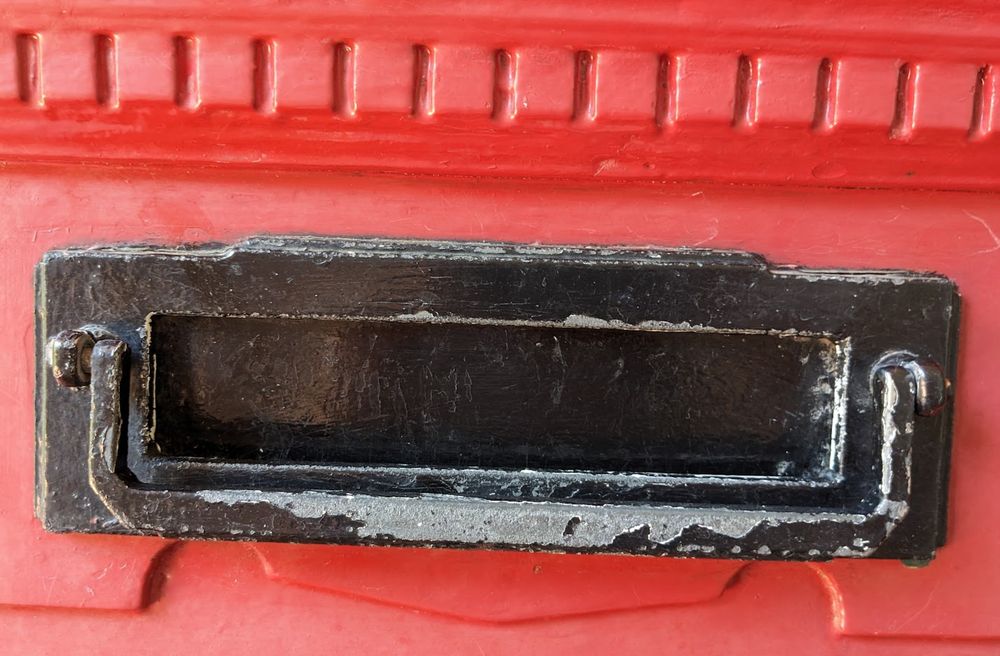
‘Most of the mailboxes outside homes have been removed. So you need to put your newsletter through the letterboxes, the mail slots… I use a wooden spoon on Station Road to stick my menus through number 44.’
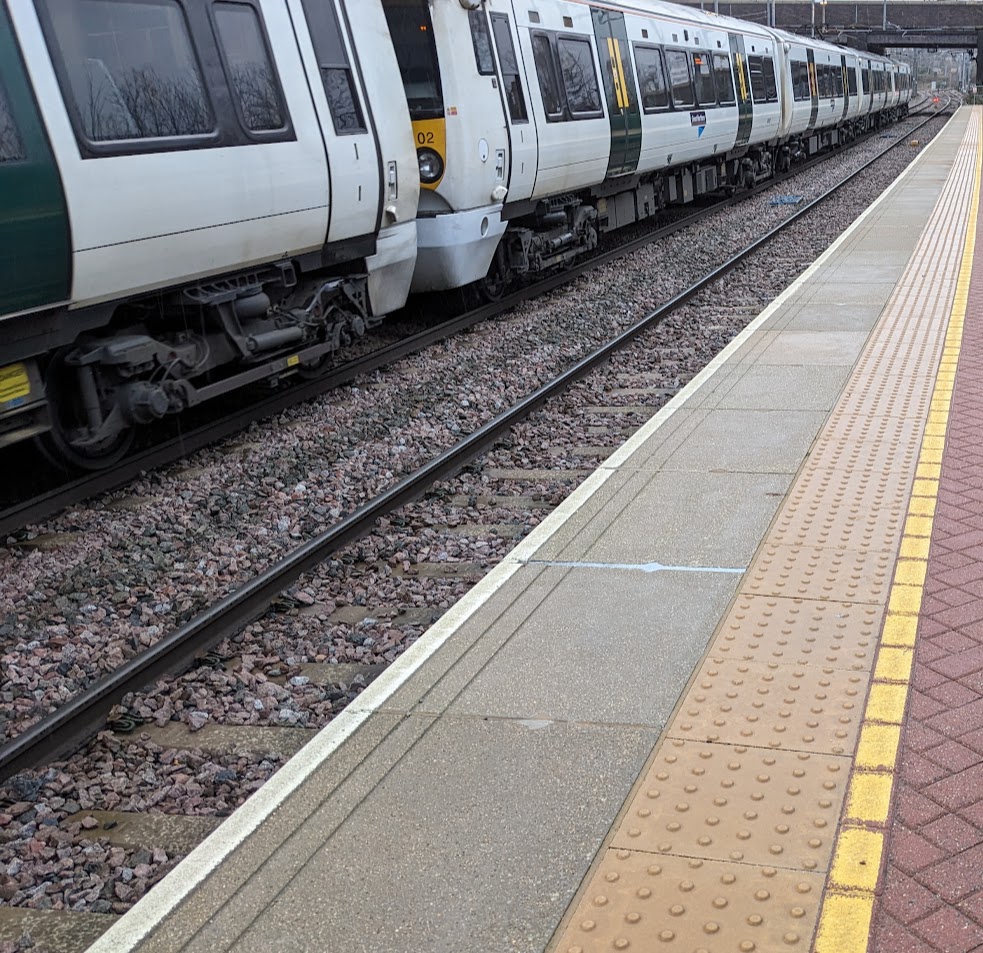
The train pulled into the station, its wooden platform open to the sky. When he alighted, what struck him as a warm summary of raindrops fell for a moment.
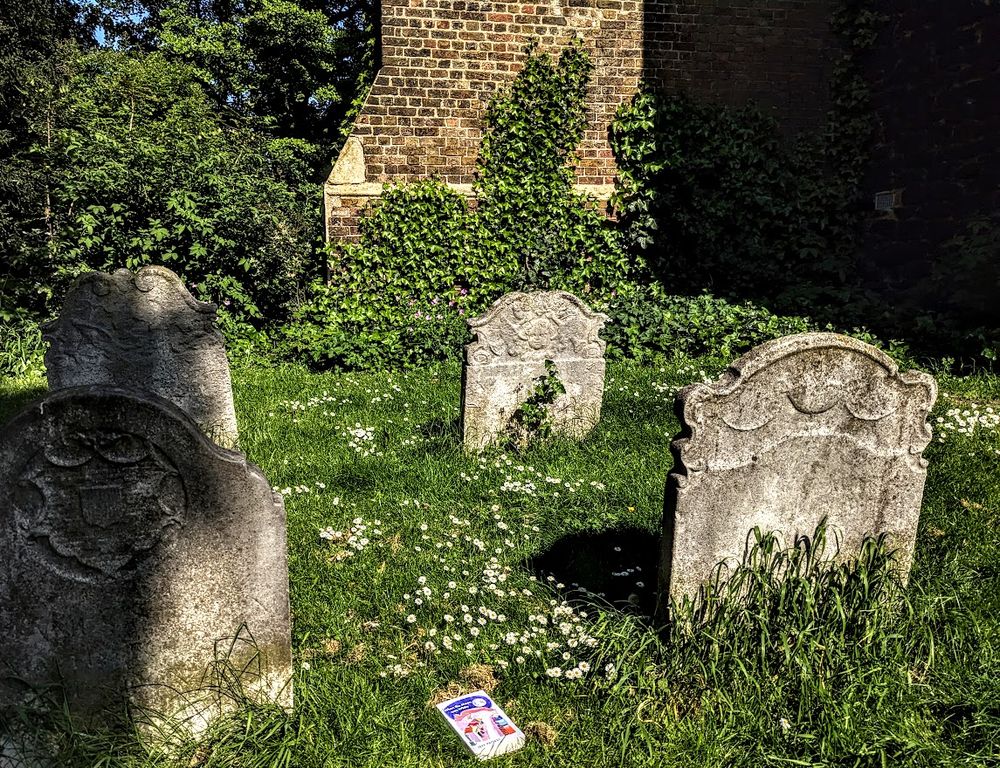
He began to walk amongst the graves, looking at the dedications and decorations and always to see if there were any misspellings or anyone had died on today’s date or his birthday. Many of the stones were weathered and old, their chiselled messages hard to read, like writing reflected in water might be.
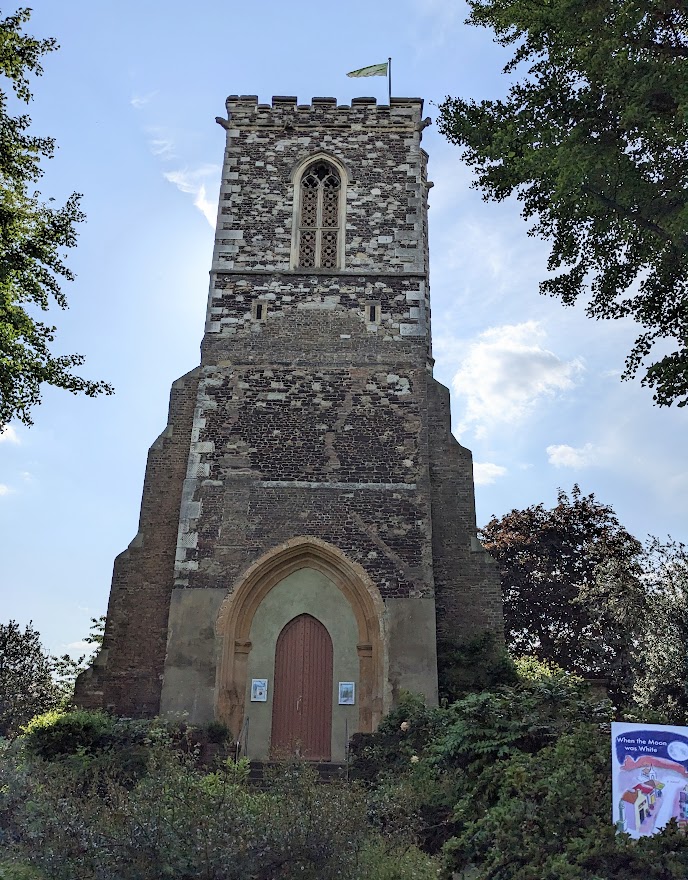
He found himself outside the church. To Tris, it was a famous place – a place read about suddenly made flesh, and he felt privileged to be in its presence.
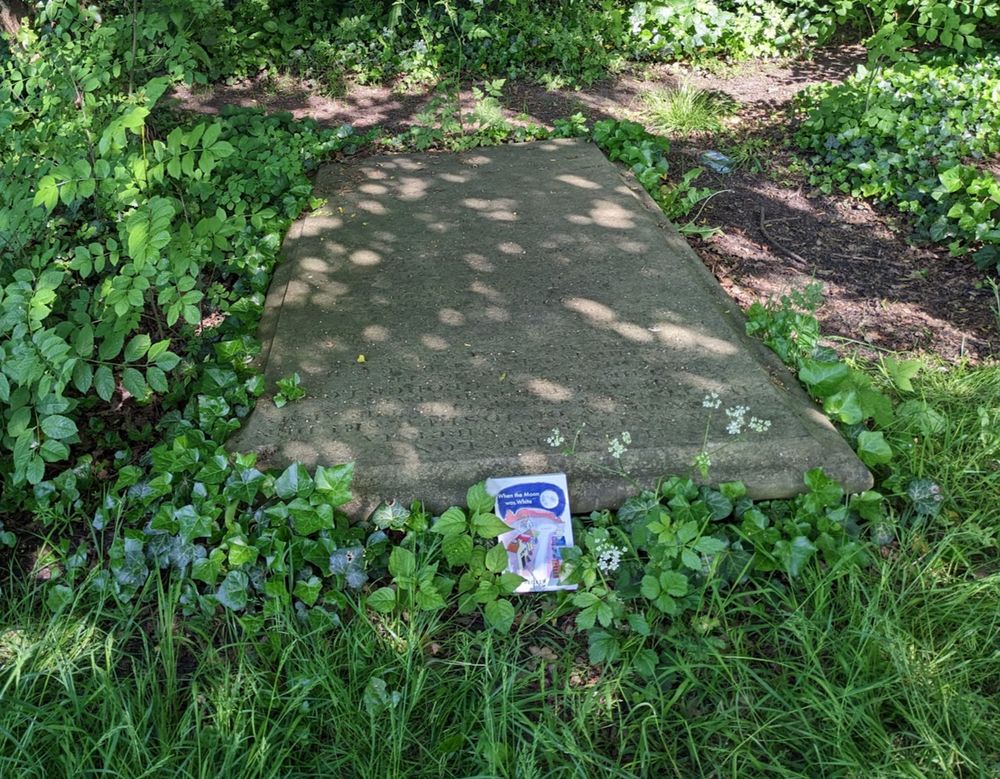
One stone, lying flat on the ground, had a Jewish star on it. The epitaph read: ‘The moon is falling down on the ground – God’s big tear.’
– From a poem by Jan Maria Gisges-Gawronski, an inmate of Birkenau.
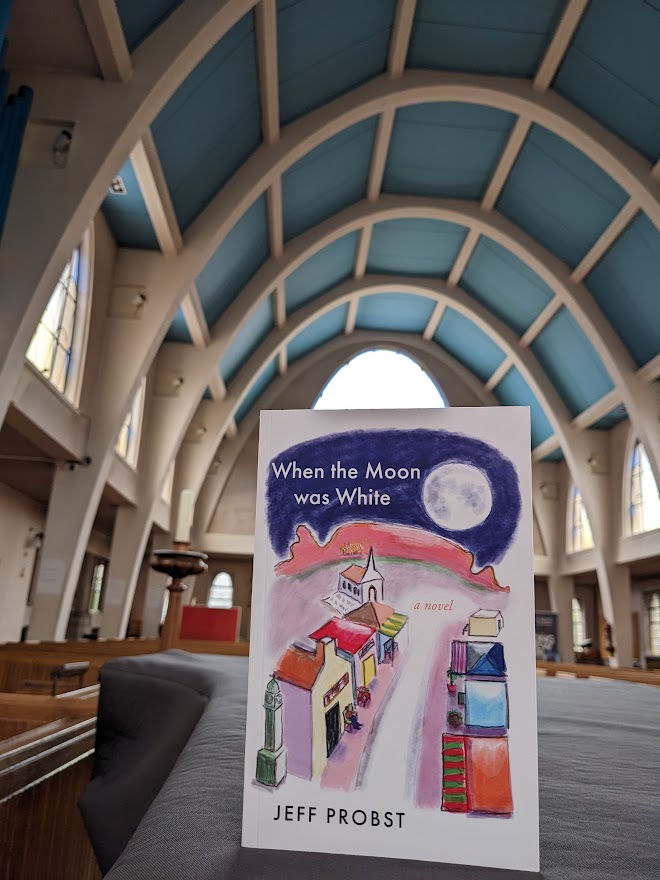
Nobody had been about, and it did feel like a place that had lain undisturbed for years.
It was peaceful; the outside world was blocked out, and there was that church quiet, unlike any other quiet – contemplative, trusting.
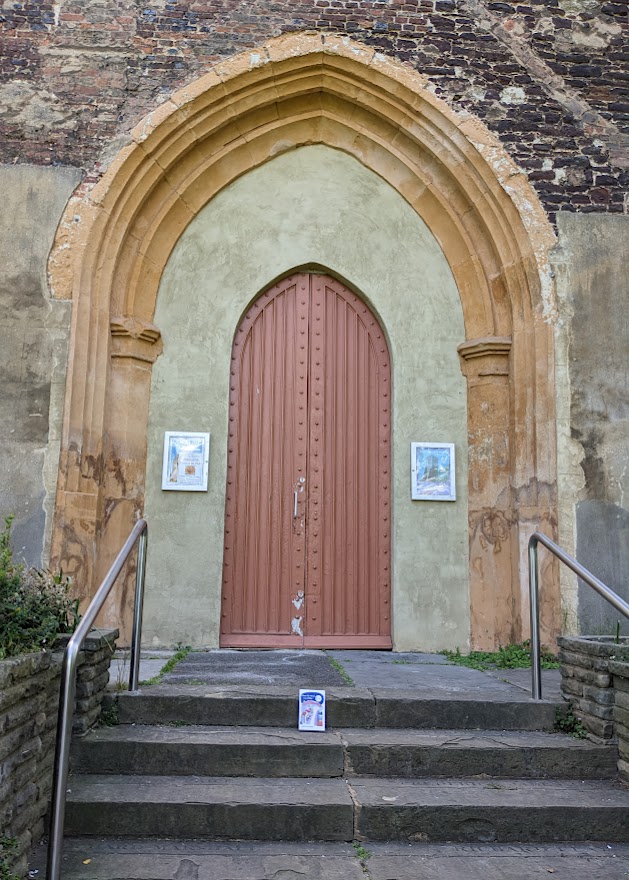
Tris went up the church’s concrete steps and pushed through the heavy, unlocked doors.
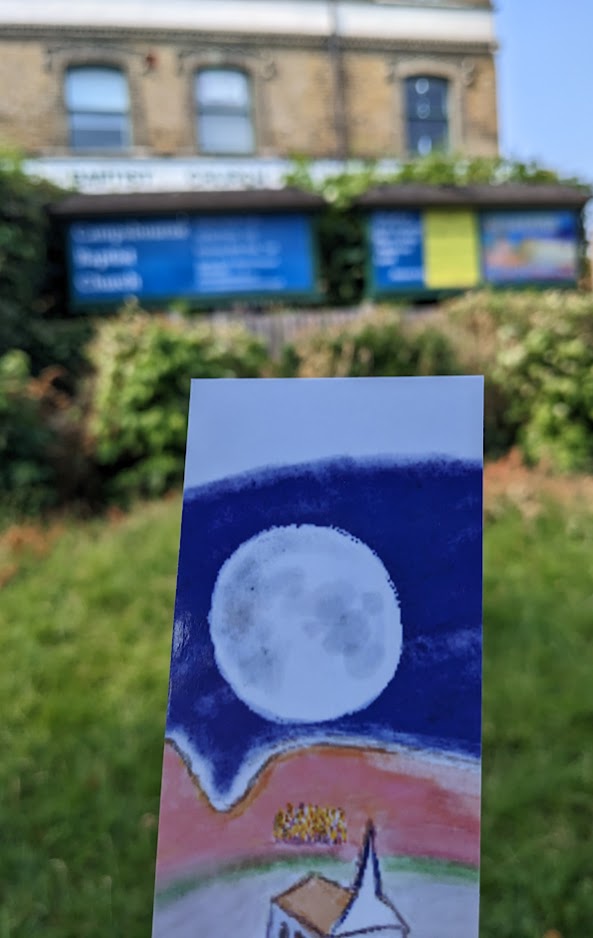
They… stopped by the church, where the woman pointed out the dilapidated message board high up on the side. The white paint was peeling like a birch tree’s bark but without the wispy beauty.
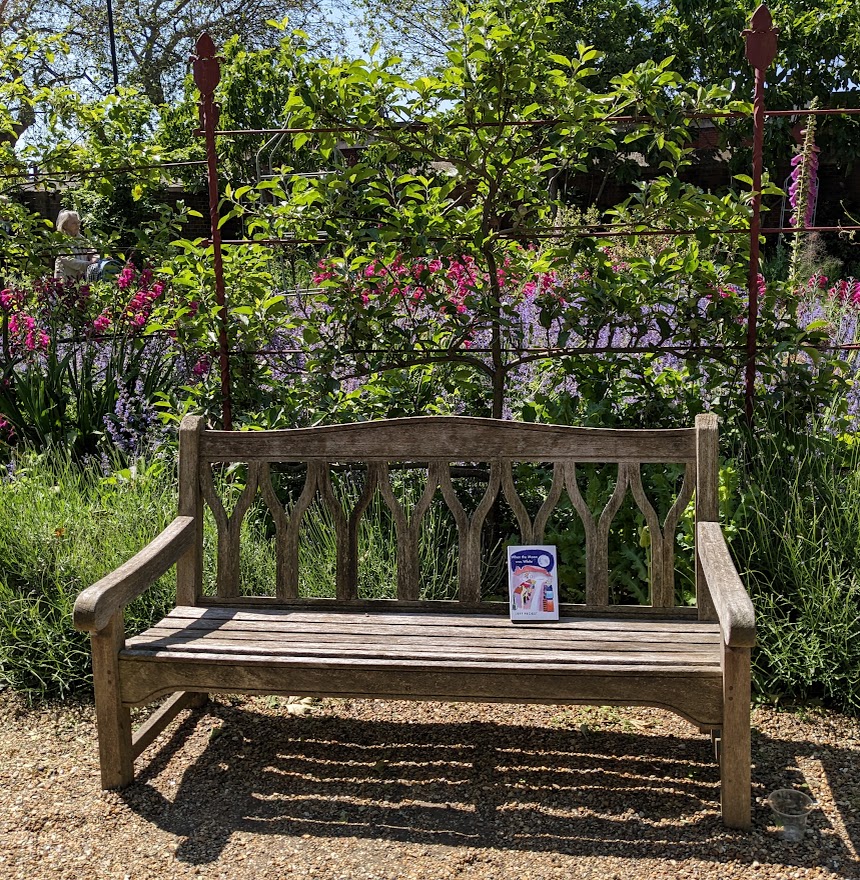
‘You laugh, but messages on benches are much loved here, and in fact until recently, “dedication defacement” was a fineable offence…’